
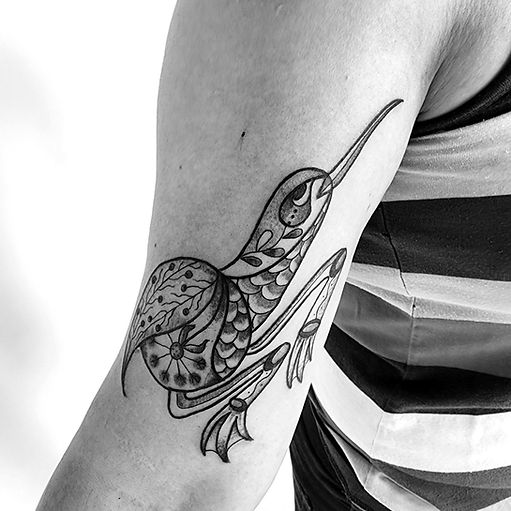
Indigenous Tattoo
I offer a dedicated consultation service for clients seeking traditional or culturally informed tattoo work. I begin each project with a discussion around intention, placement, readiness, symbolism, and protocol, so I can progress with care, clarity, and respect for both culture and body.
Plains Cree Traditional Tattooing
A Sacred Visual Language of Identity, Protection, and Ancestral Memory
Traditional tattooing among the Plains Cree (nêhiyawak) is an ancient, deeply spiritual practice. These markings—often called honor marks—are not decorative. They are earned, ceremonial, and meaningful, serving as a living record of identity, achievement, protection, and connection to the spirit world.


More Than Tattoos
For generations, Plains Cree tattooing functioned as a biographical language, marking life milestones, spiritual readiness, and social responsibility. These practices were nearly erased through colonial suppression but are now experiencing a powerful revival led by Indigenous artists, knowledge keepers, and communities reclaiming ancestral ways of being.
Historical Significance
& Purpose
Why Traditional Markings Were Given
Traditional Cree tattoos held functional and spiritual roles within community life:
-
Warfare & Status
Earned tattoos through acts of bravery in battle. Highly respected warriors could receive extensive markings across the body, each symbolizing a specific honor or achievement. -
Rites of Passage
Markings often signified transitions into certain roles, maturity, and readiness for family life. Tattoos also recognize skill, such as excellence in hunting, gathering or providing for the community such as identifying the persons job in the community -
Medicinal & Spiritual Protection:
Markings were believed to protect against illness, malevolent spirits, and harm. Some facial markings were thought to sharpen vision for hunting and survival. -
The Afterlife:
Among the Cree and many Plains nations, tattoos were considered essential identification for the spirit’s journey into the afterlife. The most common one is Earthlines across the wrists


Traditional Markings
& Designs
Symbols Rooted in Vision and Lineage
Designs were personal and often revealed through dreams or visions, yet several forms were widely recognized:
-
Chin Markings (Women):
Three vertical lines or dots symbolizing womanhood, lineage, and spiritual maturity—often applied after first menstruation. -
Hand & Wrist Markings:
Signified skills, readiness for responsibility, or preparation for major life transitions. Recognizing each other in the afterlife -
Honor Marks:
Geometric patterns recorded war honors, clan affiliation, or social standing, as documented by white ethnographers.
Traditional Methods
& Tools
Ancient Techniques Passed Through Generations
Traditional Cree tattoos held functional and spiritual roles within community life:
-
Skin-Stitching:
One of the oldest tattooing methods in North America. A pigment-soaked thread is sewn beneath the skin, leaving permanent lines or dots. -
Hand-Poke (Stick-and-Poke):
Created using sharpened bone, wood, cactus spines, or thorns, with charcoal, soot, or plant-based pigments. -
Tattoo Bundles:
Sacred kits containing needles, pigments, and ceremonial items, traditionally kept in woven bags or hide wrappings. Tattoo practitioners use to be paid in horses and traditional offerings.


Receiving Traditional Markings
Ceremony, Protocol, and Responsibility
Receiving traditional markings is a sacred ceremonial act, not a cosmetic service.
-
Offerings & Protocol:
Tobacco (cistêmâw) and gifts are offered to the practitioner to honor the knowledge being shared. -
Relational Preparation:
Concepts such as wâhkôhtowin (kinship) and kiyôkêwin (visiting) guide deep conversations to ground intention and vision. -
Ceremonial Space:
Smudging, prayer, and intentional preparation create a protected and spiritually aligned environment. -
Pain as Transformation:
The physical intensity is understood as purification and connection to ancestral endurance. -
Activation:
Prayers, chants, or guided meditation may be used to spiritually “activate” the marking and seal its intention.
Suppression & Survival
Colonization and Cultural Erasure
In 1885, colonial laws banning Indigenous ceremonies—combined with missionary influence—forced traditional tattooing underground. For generations, many Cree people were unaware their ancestors practiced tattooing at all. Elders quietly safeguarded this knowledge until it could be safely shared again.
Modern Revitalization
Reclaiming Identity Through Marking
Today, traditional tattooing is experiencing a resurgence:
-
A means of reconnecting with ancestry
-
A tool for healing intergenerational trauma
-
A visible act of cultural pride and sovereignty
-
A way to honor personal journeys, recovery, and resilience


The Earthline Tattoo Collective
Rebuilding Lineage Through Protocol
Founded by Dion Kaszas, the Earthline Tattoo Collective reclaimed skin-stitching and hand-poke traditions through culturally grounded training residencies. Their work transformed individual research into a collective movement, ensuring these practices are shared responsibly, not commercialized.
Early practitioners associated with this revival include:
-
Jordan Bennett (Mi’kmaq)
-
Amy Malbeuf (Métis/Cree)
-
Amber-Dawn Bear Robe (Siksika)
-
Jeneen Frei Njootli (Vuntut Gwitchin)
-
Toby Snelgrove
Dion Kaszas
A Catalyst for the Modern Revival
Dion Kaszas (Nlaka'pamux/Métis) is widely recognized as a foundational figure in the resurgence of Indigenous tattooing in Canada. His work bridges tattoo anthropology, academic research, and ceremonial practice.
-
Transformative Markings Podcast:
An oral history archive documenting Indigenous tattoo practitioners worldwide and the political, spiritual, and cultural weight of their work.
Skindigenous
Bringing the Practice Into Public Consciousness
The documentary series Skindigenous has played a key role in reframing Indigenous tattooing as an act of healing and sovereignty.
-
Profiles Indigenous artists and ancient techniques
-
Available via APTN lumi and the official Skindigenous platform

Living Medicine on the Skin
Because of the work of contemporary knowledge keepers and artists, traditional Plains Cree markings are no longer hidden. What was once suppressed now stands as living medicine—carried on the skin with the same protection, responsibility, and power as it was centuries ago.
Begin Your Indigenous Tattoo Journey
Complete the form to schedule a meeting to begin your Indigenous tattoo journey with me.